
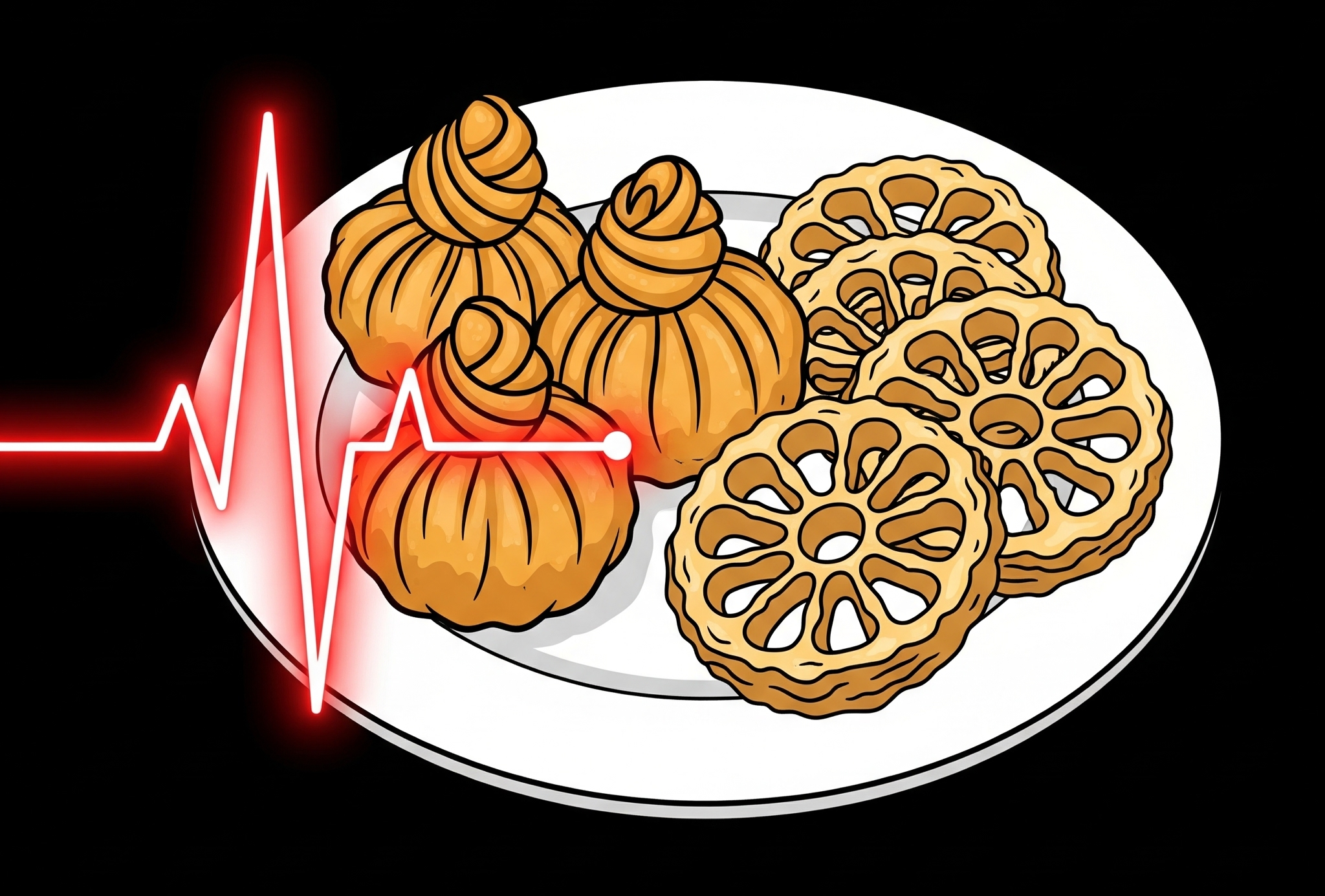
The Sinhala and Tamil New Year is a time of deep cultural meaning in Sri Lanka. People prepare, share, and eat traditional Sri Lankan sweetmeats. These popular treats include Kavum, Kokis, Aluwa, and Asmi. However, we must look at these foods through a strict medical lens.
The way cooks make these sweets creates a major public health crisis. The recipes rely entirely on refined rice flour and simple sugars. Cooks also use thick coconut milk and deep-fry the food repeatedly in coconut oil. This specific process triggers severe metabolic and toxicological problems in the body.
Sri Lanka currently faces a massive wave of non-communicable diseases (NCDs). These dangerous diseases cause about 83% of all deaths in the country [1]. Furthermore, deaths from diabetes have jumped by 169% recently. Deaths from related kidney problems have also increased by 105%. South Asian people have a uniquely high risk of developing early heart disease and diabetes. We store dangerous fat around our vital organs easily. Our pancreatic beta-cells tire out very quickly. Therefore, eating traditional Sri Lankan sweetmeats is not just about adding empty calories. It rapidly speeds up the disease process in our bodies.
The Sugar Crisis: Glycemic Overload from Sweetmeats
The World Health Organization (WHO) sets strict rules for sugar intake. A healthy adult should eat less than 25 grams of free sugar daily [2]. However, the average Sri Lankan eats around 34 kilograms of sugar every year. This massive amount is more than three times the safe limit.
Moreover, preschool children consume far too much sugar. A recent study showed toddlers eat about 57.9 grams of sugar daily. When the festive season starts, kids eat many traditional Sri Lankan sweetmeats. This massive sugar rush heavily damages their developing health. The extra fructose goes straight to the liver. The liver quickly turns this sugar into fat. This dangerous process leads directly to non-alcoholic fatty liver disease.
Nutritional Breakdown of Traditional Sri Lankan Sweetmeats
Most festive sweets are densely packed with calories, fat, and sugar. These sweets completely lack fiber and helpful nutrients. Eating just a few pieces can use up a third of your daily calorie allowance. Let’s look at a quick breakdown of these popular treats.
- Beraliya Kavum: Delivers 527 kcal per 100g. It contains a massive 28% fat content.
- Hendi Kavum: Packs 406 kcal per 100g. It holds 64% pure carbohydrates.
- Aluwa: Contains 320 kcal per 100g. It is almost entirely made of carbohydrates and sugar.
How Sweetmeats Damage Your Cells
Traditional Sri Lankan sweetmeats have a very high Glycemic Index (GI). When you eat Kavum, your gut absorbs the glucose instantly. This rapid absorption causes a massive spike in your blood sugar.
Your pancreas panics and releases huge amounts of insulin. This severe hyperinsulinemia overworks your beta-cells. Over time, these delicate cells die. This tragic cell death pushes you toward Type 2 Diabetes Mellitus. Likewise, mixing high sugar with high fat is a terrible idea. Fat severely slows down your digestion. This delay keeps your blood sugar high for many hours.
Toxic Chemicals: Acrylamide in Festive Sweetmeats
Preparing these traditional foods requires extreme heat. Deep-frying at high temperatures creates highly toxic chemicals. Acrylamide is the most dangerous one. The International Agency for Research on Cancer classifies acrylamide as a probable human carcinogen [3].
Acrylamide forms rapidly when you heat sugars and amino acids together above 120°C. Starchy batters are the perfect environment for creating this deadly toxin. When you eat fried sweets, your body absorbs the acrylamide instantly. Your liver alters it into glycidamide. This harsh chemical attacks your DNA directly. Consequently, acrylamide causes severe nerve damage and harms unborn babies.
Accelerated Aging from Sweetmeats
The extreme frying heat also creates dietary Advanced Glycation End-products (dAGEs). These compounds make the sweets look beautifully golden brown. However, they are highly toxic to your organs. When you eat dAGEs, they enter your bloodstream rapidly. They attach to specific receptors on your cells. This binding triggers massive, systemic inflammation [4]. These toxins aggressively damage your blood vessels. They cause high blood pressure and make your heart stiff.
The Fatal Flaw: Reusing Oil for Sri Lankan Sweetmeats
Many people reuse coconut oil when frying traditional Sri Lankan sweetmeats. This dangerous practice completely destroys the oil. High heat, boiling water, and oxygen break the oil down violently. The oil releases free fatty acids and toxic chemicals.
When you reuse oil for over 48 hours, it literally becomes poisonous. These damaged fats enter your body quickly. They circulate in your blood for extended hours. They aggressively damage your blood vessels and cause dangerous plaque to build up. This is the very first step toward a fatal heart attack.
Making Traditional Sri Lankan Sweetmeats Safer
The medical hazards of traditional Sri Lankan sweetmeats are undeniably clear. They combine massive sugar spikes, toxic chemicals, and heavily damaged fats. We must urgently change how we cook these foods.
First, never reuse frying oil. You must discard it completely after one use. Second, fry foods at lower temperatures. Do not let the food turn dark brown. Finally, we should add functional spices to the recipes. Ceylon cinnamon can actively slow down sugar absorption in your gut. We must enjoy our vibrant culture safely without destroying our cardiovascular health.
References
- World Health Organization. Noncommunicable Diseases Country Profiles. Geneva: WHO; 2018. View Source
- World Health Organization. Guideline: Sugars intake for adults and children. Geneva: WHO; 2015. View Source
- International Agency for Research on Cancer. Some Industrial Chemicals. IARC Monographs on the Evaluation of Carcinogenic Risks to Humans, No. 60. Lyon: IARC; 1994. View Source
- Uribarri J, Woodruff S, Goodman S, et al. Advanced glycation end products in foods and a practical guide to their reduction in the diet. J Am Diet Assoc. 2010;110(6):911-16. View Source


Leave a Reply