
-
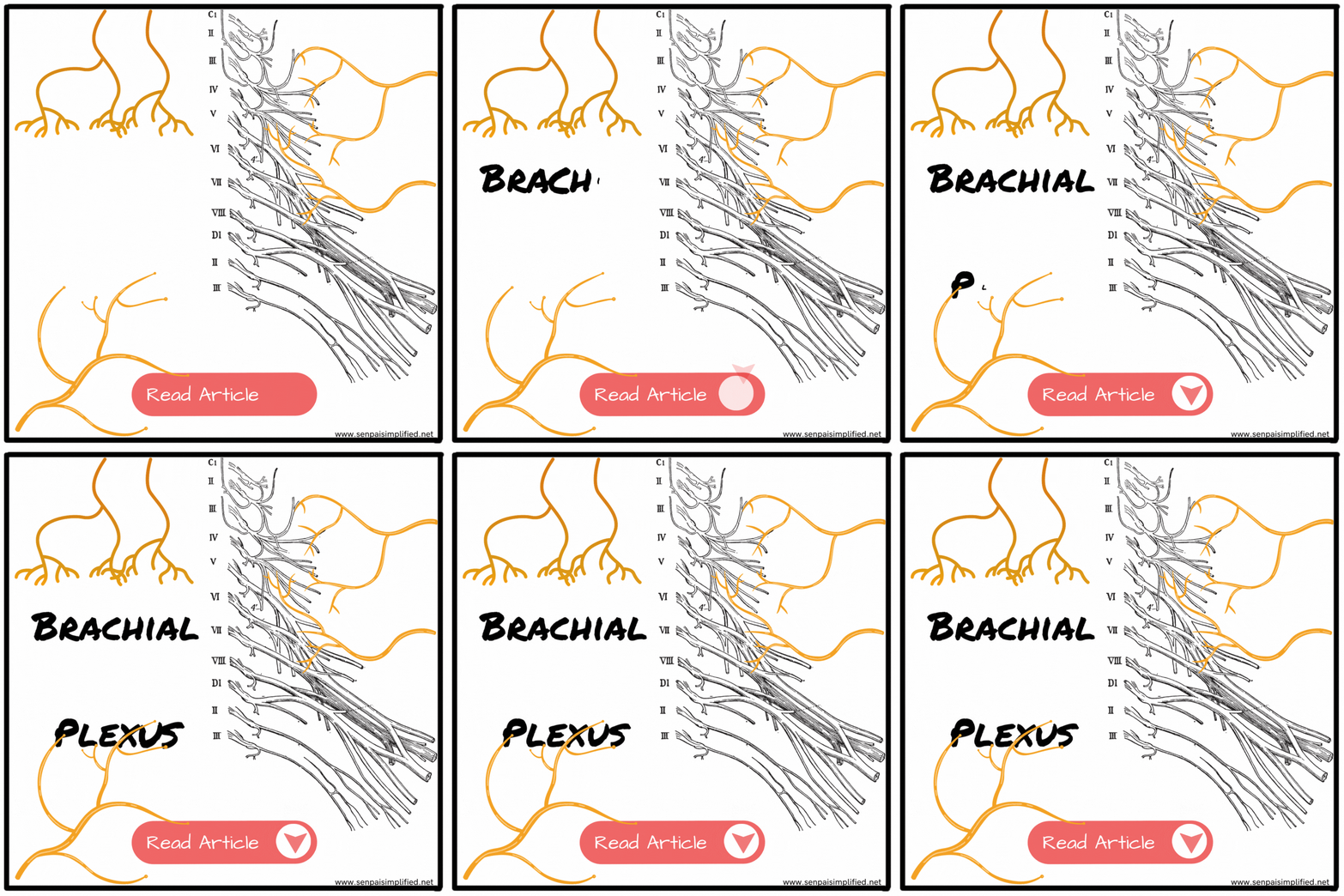
Brachial plexus
The brachial plexus is a complex network of nerves that originates from the anterior (ventral) primary rami of C5, C6, C7, C8, and T1 spinal nerves. It plays a vital role in the innervation of the upper limb. Let’s explore the anatomy and components of the brachial plexus in more detail: Anatomy of the Brachial Continue reading
-

The Venous Drainage of the Upper Limb
The venous drainage of the upper limb is a crucial component of the circulatory system. It involves two primary venous systems: the deep veins and the superficial veins. In this article, we will explore the anatomy and characteristics of these venous systems and their role in draining blood from the upper limb. Deep Veins Deep Continue reading
-
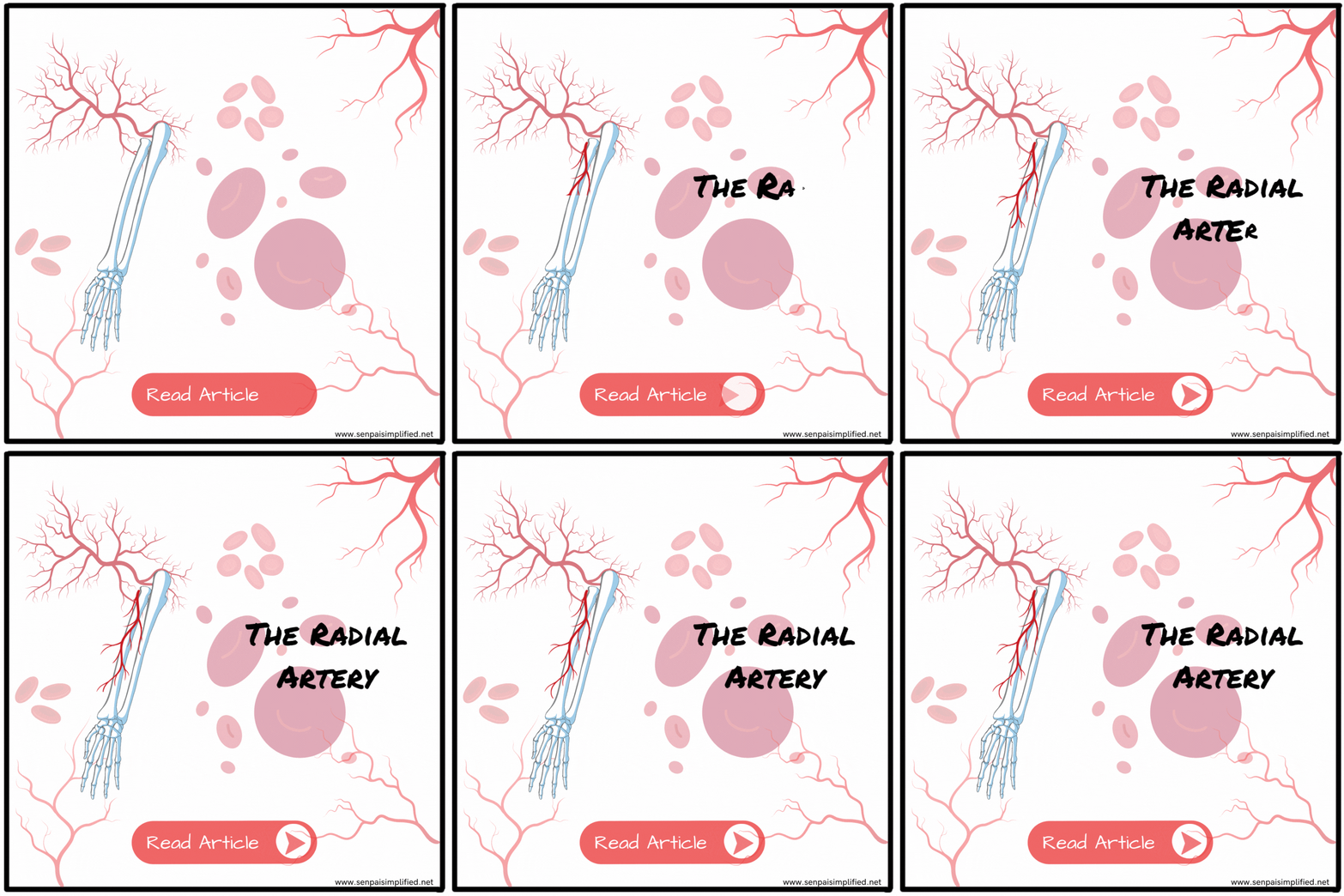
Radial Artery
The radial artery is a major blood vessel in the human body. The radial artery has significant clinical relevance, serving as a popular site for arterial punctures and as a potential conduit for coronary artery bypass grafting. Understanding the characteristics and functions of the radial artery is essential in various medical procedures and interventions: Course Continue reading
-

Axillary Artery
The axillary artery is a major blood vessel in the upper limb that carries oxygenated blood from the heart to the arm and hand. It is a continuation of the subclavian artery and plays a crucial role in the circulatory system of the upper limb. In this article, we will explore the anatomy and clinical Continue reading
-

The Wrist Joint
The wrist joint, also known as the radio-carpal joint, is a synovial joint located at the junction between the forearm and hand. It allows for a variety of movements including flexion, extension, abduction, and adduction, and is classified as a condyloid joint. Articular Surfaces The articulating surfaces of the wrist joint include the inferior surface Continue reading
-

The Elbow Joint
Discover the anatomy and functions of the elbow joint, its synovial joint types, articulating surfaces, ligaments, and blood and nerve supply Continue reading
-

Anterior Muscles of the Forearm
Similar to the arm, the forearm is also divided into anterior and posterior muscle compartments. In this article, we will look at the attachments, innervation and action of all of those muscles in the anterior compartment of the forearm. Superficial Layer There are a lot of muscles in the hand. But muscles in each compartment Continue reading
-
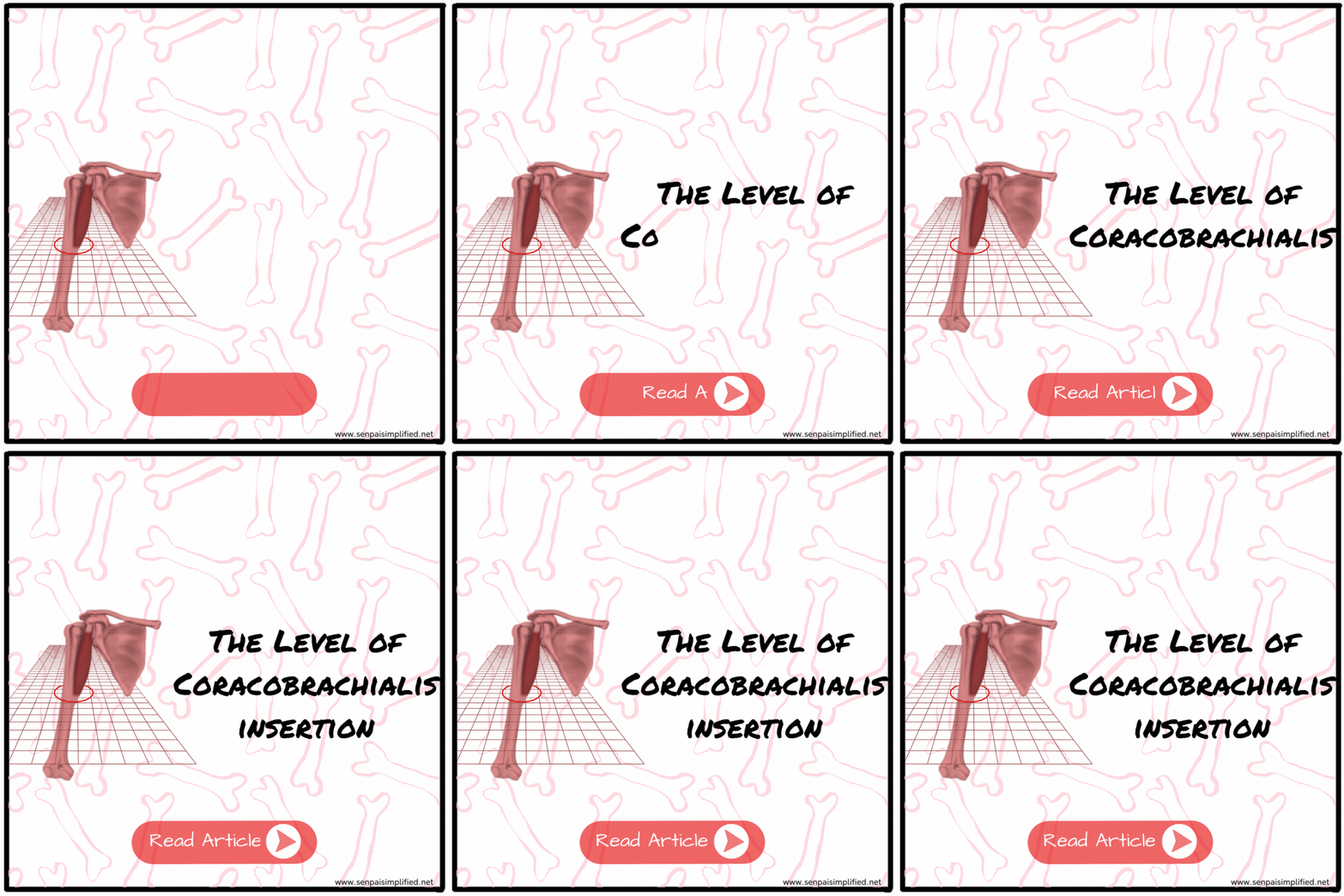
The Level of Coracobrachialis Insertion
What is so special about the level of the coracobrachialis insertion? Several important things happen at the level of the coracobrachialis insertion. These are high yield facts that students are commonly tested on. Arteries Veins Nerves Muscles Bones Fascial Septa Continue reading
-

Muscles of the arm
Muscles of the arm arrange in two compartments; anterior and posterior, which areseparated by intermuscular septa. Anterior Compartment The anterior compartment, also called the flexor compartment, is bordered anteriorly by the deep fascia, and posteriorly by the medial and lateral intermuscular septa and the Humerus in-between them. The blood supply to the entire anterior compartment Continue reading
-
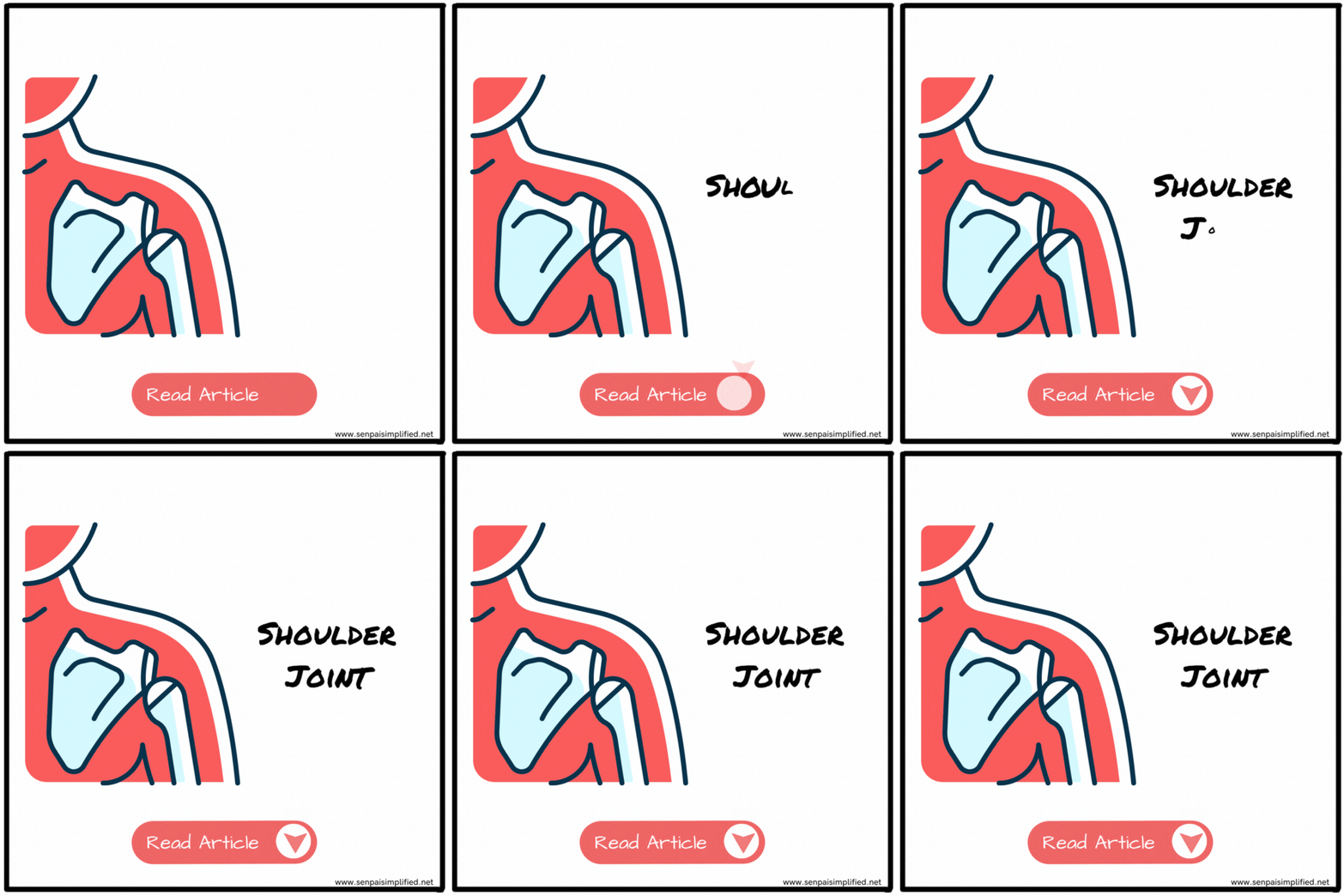
Shoulder Joint
The Shoulder Joint is the joint with the highest range of movement in the body. Everything a pre-clinical medical student needs to know about the shoulder joint, you can learn by reading this article. Type The shoulder joint is a multiaxial synovial joint. It is a joint of the ball and socket variety. Articular Surfaces Continue reading
Category: Anatomy Simplified
Discover the essence of anatomy with simplified guides. Navigate the complexities of the human body through clear explanations and structured inquiry.
Definition
Anatomy is the scientific study of the structure and organization of living organisms, providing the physical map of life.
Etymology
Derived from the Greek “anatomē” (dissection) and “tomē” (cutting), reflecting its origins in physical exploration.
Historical Origins
The study of anatomy is as old as medicine itself, rooted in the curiosity of ancient civilizations.
- •
Ancient Foundations: Documentation of human structure traces back to Egypt and Mesopotamia. - •
Pioneering Figures: The field was shaped by Galen and the artistic precision of Leonardo da Vinci. - •
The Father of Anatomy: Andreas Vesalius revolutionized the field through direct human dissection.
Clinical Significance
For the medical student, anatomy is the language of medicine. It provides the essential framework for understanding the body’s structure—vital for accurate diagnosis, treatment, and surgical precision.