
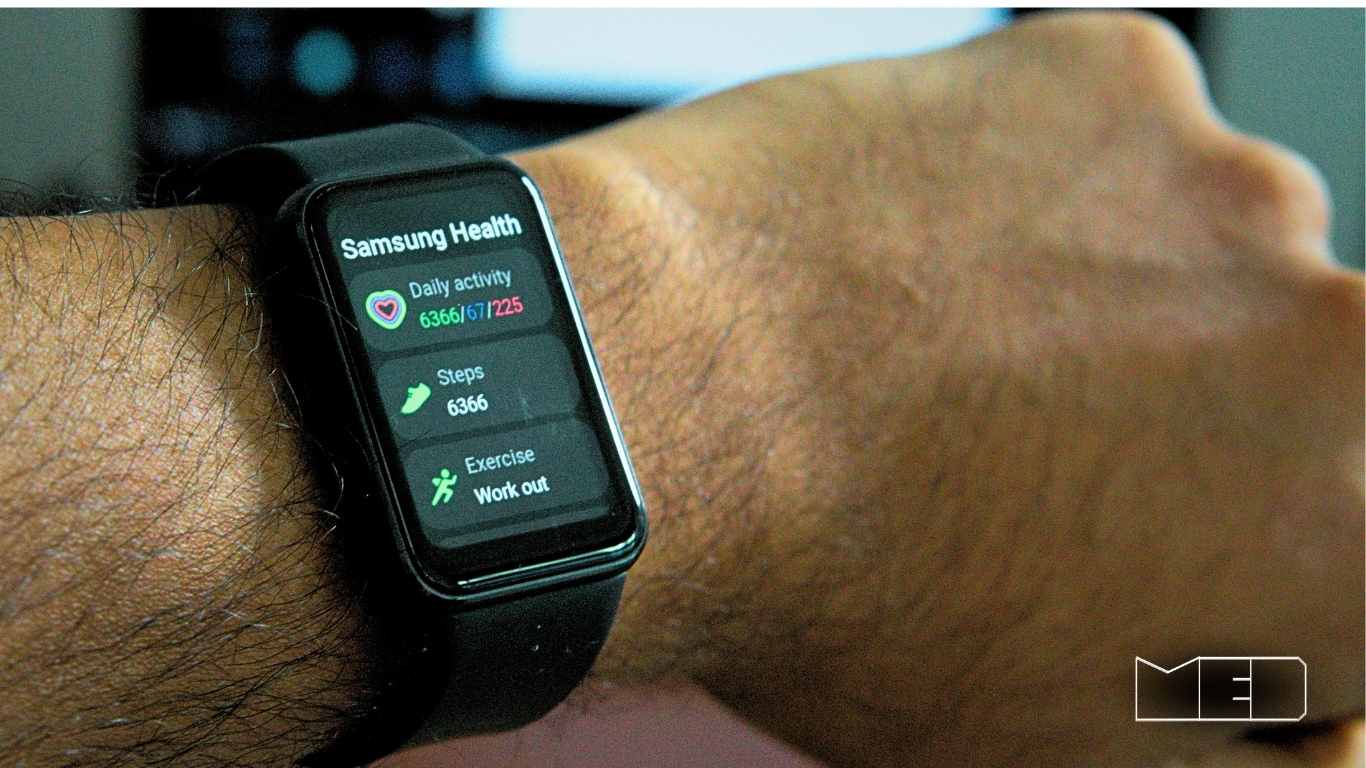
Ever wondered how your smartwatch knows when you’re asleep or how many calories you’ve burned? It feels almost magical, right? But what’s really going on under the hood? What is the accuracy of smartwatches? These tiny devices are packed with powerful sensors. They range from optical PPGs to accelerometers. All these sensors work together to give you insights about your health. And do you really need one to stay fit and well-rested? In this deep dive, we’ll break down how smartwatches track sleep. We will also look at how they monitor exercise. We will examine how reliable they are and whether they’re worth the hype. Ready to find out? Let’s get into it!
What’s in Those Sensors in the Smartwatch?
Ever wondered how that little device on your wrist can keep track of your heart rate, steps, and even your sleep? The accuracy of smartwatches is owed to some clever sensors packed inside. One of the main ones is the optical PPG sensor, short for photoplethysmography. Sounds complicated, right? But it’s actually a pretty neat trick—this sensor shines light onto your skin and measures how much is reflected back. Blood absorbs light differently from the surrounding tissue. Thus, the smartwatch can detect changes in blood flow. It uses those changes to estimate your heart rate. It’s like shining a flashlight on your hand and seeing the pulse, just way more advanced.
But that’s not all. Smartwatches also have accelerometers, which measure movement. This is how it counts your steps or tracks your activity levels. Some high-end models even come with gyroscopes for more precise motion tracking. They also have barometers that detect changes in altitude. This is useful for hikers and runners who want to track elevation. With all these sensors working together, your smartwatch can paint a pretty detailed picture of your day.

How Does It Know I’m Really Sleeping or Not?
This is where it gets interesting. How can a smartwatch tell the difference between lying still and actually being asleep? It uses a mix of motion sensors and heart rate data to make an educated guess. When you’re awake, your heart rate is generally higher, and you move more. During sleep, your heart rate drops, and your movements are minimal. By analyzing these patterns, the smartwatch estimates when you fall asleep. It also determines how long you sleep. Moreover, it breaks down your sleep stages—light, deep, and REM sleep. The physiology of these sleep stages are discussed in depth in a separate article.
The accuracy of smartwatches in detecting sleep cycles is not ideal. The gold standard for measuring sleep is something called polysomnography. It is a fancy term for a sleep study where they attach electrodes to your head and body. These electrodes monitor brain waves, eye movements, and muscle activity. Smartwatches don’t have that level of detail. They do a decent job using algorithms. The algorithms compare your movement and heart rate patterns to what’s typically seen during each sleep stage. They’re getting better, but they’re not perfect. Sometimes, if you’re lying still but awake, the watch might think you’re sleeping. And don’t expect it to catch short naps or brief awakenings as accurately as a sleep lab would.
What’s the Point of Tracking My Sleep?
Okay, so now you know how it tracks your sleep, but why does it matter? Well, sleep is a big deal for your health. It affects your mood, memory, and even your immune system. Tracking your sleep can help you understand your patterns and figure out if you’re getting enough rest. Are you spending enough time in deep sleep, which is crucial for physical recovery? How about REM sleep, which helps with memory and learning? Seeing these trends over time can be a wake-up call (pun intended) to improve your habits.
For example, if you notice you’re always waking up tired, you might not be getting enough deep sleep. This might happen even if you’re in bed for 8 hours. Or maybe your sleep schedule is inconsistent, leading to poor sleep quality. Some people find that tracking their sleep helps them make better lifestyle choices. They might decide to reduce screen time before bed. Others might avoid late-night snacks. Others might use the data to discuss potential sleep issues, like insomnia or sleep apnea, with their doctor.
Do I Need a Watch to Tell Me How Much I Worked Out?
Honestly, no—but it can be super helpful. If you’re someone who struggles with motivation or just wants to get a better idea of your activity levels, a smartwatch can be a great tool. It counts your steps, tracks your workouts, and even reminds you to move if you’ve been sitting too long. Some models also measure heart rate during exercise, giving you a sense of how hard you’re working.
Knowing how many calories you’ve burned can be motivating. This is especially true if you’re trying to lose weight. It also helps if you want to maintain a healthy lifestyle. But the real value lies in consistency and accountability. When you see that you’ve only taken 3,000 steps today, it might encourage you to go for a walk after dinner. You might aim for 30 minutes of exercise each day. That activity ring on your watch will let you know if you’re on track.
But if you’re already active and don’t feel the need to track every step or calorie, then no, you don’t need a smartwatch. Some people find it motivating, while others find it annoying or stressful. It’s all about what works for you.
How Accurate Are These Things Really? (When Measuring Exercise and Calories Burned)
This is the million-dollar question. Smartwatches are pretty good at tracking steps and general activity, but they’re not flawless. The accuracy of smartwatches depends on a lot of factors, like the quality of the sensors, how snugly you wear the watch, and even your body type. For example, optical PPG sensors can struggle with accurate heart rate readings during high-intensity workouts. This is due to rapid movements and sweat.
When it comes to calories burned, take those numbers with a grain of salt. Smartwatches estimate calories using algorithms that consider your age, weight, heart rate, and activity level. But they don’t know your body composition, like how much muscle versus fat you have, which affects your metabolism. Studies have shown that calorie estimates from wearables can be off by as much as 20-50% depending on the activity and the device. Moreover,, they’re better at tracking trends over time rather than giving you an exact number.
They’re generally accurate for steady-state cardio like walking or running. However, in terms of exercise tracking, they are less reliable for activities with irregular movements. Examples include weightlifting or yoga. So, if you’re using it to measure your overall activity level and progress over time, it’s a useful tool. Just don’t rely on it for pinpoint accuracy, especially for calories burned.
References
- Abstract 4144299: Association of Sleep and Exercise with Chronic Disease: Insights from Long-Term Wearable Data Among All of Us Participants
- Impact of a wearable-based physical activity and sleep intervention in multimorbidity patients: protocol for a randomized controlled trial
- 0167 Influence of light exposure, exercise, caffeine intake, and nicotine use on sleep of U.S. Navy sailors during home port operations
- Comparisons of physical activity and sedentary behavior between owners and non-owners of commercial wearable devices
- Evaluation of a wearable fabric-based sensor for accurate sodium determination in sweat during exercise
- Hit the gym or hit the hay: can evening exercise characteristics predict compromised sleep in healthy adults?
- Performance of a commercial multi-sensor wearable (Fitbit Charge HR) in measuring physical activity and sleep in healthy children
- Wearable Device Heart Rate and Activity Data in an Unsupervised Approach to Personalized Sleep Monitoring: Algorithm Validation
- The Impact of Smartwatch on Health and Fitness
- Accuracy, Utility and Applicability of the WHOOP Wearable Monitoring Device in Health, Wellness and Performance – a systematic review
- N-of-1 analysis of circadian data reveals potential for precision chrono-medicine approach of concomitant exercise and metformin recommendations
- PERFECT: Personalized Exercise Recommendation Framework and architECTure
- A Virtual Hospital Approach in Sickle Cell Disease | Remote Biometric, Quality of Life, and Hospitalisations Monitoring
- Smart wearable devices for real-time health monitoring
- Personal Health Data Tracking by Blind and Low-Vision People: Survey Study
- Feature Factors that Influence Human Health in Smartwatches
- Deep Learning Models for NEAT Activity Detection on Smartwatch
- NEAT Activity Detection using Smartwatch at Low Sampling Frequency
- Detection of Common Respiratory Infections, Including COVID-19, Using Consumer Wearable Devices in Health Care Workers: Prospective Model Validation Study
- Using Nearest Neighbor to Classify Activity
- Physical Activity in the Older Adults: A Review of the Benefits and Recommendations for Promoting Healthy Aging through Exercise
- Therapeutic Quality Affects Physical Fitness Benefits of Home Exercise Interventions in Older Adults: A Systematic Review, Meta-Analysis, and Meta-Regression
- The Role of Smartwatch Technology in the Provision of Care for Type 1 or 2 Diabetes Mellitus or Gestational Diabetes: Systematic Review
- Benefit of Adiponectin And Leptin For Monitoring Exercise Effect On Adipose Function In Metabolic Syndrome
- THE RELEVANCE OF THE PHYSICAL EDUCATION PROFESSIONAL IN GUIDING EXERCISE AND ITS BENEFITS FOR WOMEN DURING PREGNANCY
- Transformation of Digital Health: Advancing Telerehabilitation with Smartwatch Technology
- The Effect of Physical Exercise on Patients With Mild Cognitive Impairment: A Scoping Review
- Upper Airway Myofunctional Exercise for Obstructive Sleep Apnea
- SMARTWATCH, ACTIVITY TRACKER E SALUTE NELLA PERSONA CON DIABETE
- STOP-BANG Questionnaire to Screen Sleep-Disordered Breathing for Football Players: Methodological Validity
- Physical Activity and Exercise in the Treatment of Depression
- The Role of Physical Activity in Preventing and Managing Hypertension
- Exercise and Physical Activity as a Non-Pharmacological Intervention for Pain Management
- Wearable Fitness Trackers and Weight Loss: A Systematic Review
- Effectiveness of Wearable Activity Trackers in Increasing Physical Activity: A Meta-Analysis
- Wearable Devices in Cardiovascular Disease Prevention
- Smartwatch-Based Interventions for Physical Activity and Health Behavior Change
- Impact of Exercise on Sleep Quality and Insomnia
- Sleep and Exercise: Bidirectional Effects and Mechanisms
- The Influence of Exercise Timing on Sleep Patterns
- Exercise and Sleep Apnea: Therapeutic Effects and Mechanisms
- The Role of Physical Activity in Managing Sleep Disorders
- Sleep Hygiene Practices and Physical Activity
- Interaction Between Sleep, Exercise, and Mental Health
- Wearable Sleep Trackers: Accuracy and Validity
- Wearable Technology in Sleep Medicine
- Smartwatch Sleep Tracking and Its Implications for Sleep Health
- Effectiveness of Exercise Interventions on Sleep Quality in Older Adults
- Comparative Analysis of Wearable Sleep Trackers
- Integration of Wearable Devices in Sleep Disorder Management
- Wearable Devices and Personalized Sleep Recommendations
- Smartwatch Use for Monitoring Sleep in Pediatric Populations
- The Impact of Exercise on Sleep Efficiency
- Exercise, Sleep, and Cognitive Functioning
- Smartwatch Data in Sleep Research
- Wearable Devices and Sleep Architecture
- Predicting Sleep Disorders Using Wearable Data
- Role of Exercise in Circadian Rhythm Regulation
- Wearables in Chronotherapy and Sleep Medicine
- Activity Tracking and Sleep Pattern Analysis
- The Influence of Physical Activity on Sleep Duration and Quality
- Using Wearables to Track Sleep in Shift Workers
- Long-Term Effects of Exercise on Sleep Regulation
- Wearable Technology in Personalized Sleep Medicine
- Advancements in Sleep Monitoring Through Wearables


Leave a Reply